In short
Essaouira is windy all year, but the wind follows a daily cycle: calm mornings, strong afternoons, strongest from May to August. Come in September or October for mild, calmer days and the warmest sea, or from April to September to kitesurf.
Every guide to Essaouira mentions that it is windy. Almost none of them tell you what that actually means for the week you are planning, which is a problem, because the wind is the difference between the best trip of your life and three days of grit in your teeth.
Here is the honest version.
Why it happens, and why the afternoon matters
Cool air sits over the Atlantic. Hot air sits over the Moroccan interior. Air moves from the first to the second, and the coastline funnels it. That is the alizé, the trade wind, and it is why Essaouira has been a port for three centuries and a windsurfing destination for forty years.
The critical detail is the daily cycle. The land heats through the day, the pressure difference grows, and the wind builds with it. A typical summer day is calm and glassy at 8am, breezy by 11, and blowing hard by 3pm.
This is why the single most useful piece of planning advice for Essaouira is not about months at all: do water sports and beach time in the morning, and everything else after lunch.
Month by month
January and February. The calmest and coolest stretch. Days around 17 to 19°C, often bright, with occasional Atlantic fronts bringing a day or two of rain. Wind is lightest now. This is the best time for pure medina-and-food trips, and the surf is at its biggest and best for people who can already surf. Bring a jumper for the evenings — stone riads get cold.
March and April. Warming up and the wind starts to organise. April is when the kite season really begins. A good compromise month: still quiet, still cheap, comfortable temperatures, and enough wind for water sports without the summer intensity.
May to August. Peak wind. Consistent side-shore alizés most afternoons, often 18 to 25 knots. Air temperatures stay mild — mid-20s, which is 20 degrees cooler than Marrakech in July, and the reason Moroccan families fill the town in August. This is the best window for kitesurfing and windsurfing and the worst for sunbathing. Mornings remain workable for surf lessons.
September and October. The sweet spot for most visitors. The wind eases off, the sea is at its warmest of the year, the summer crowds thin, and the light is beautiful. If someone asks me when to come to Essaouira and they are not a kiter, this is what I tell them.
November and December. Calm, mild, quiet and cheap. Days around 19 to 21°C. Some rain. Surf is good and the town belongs to the people who live in it again.
What this means for each activity
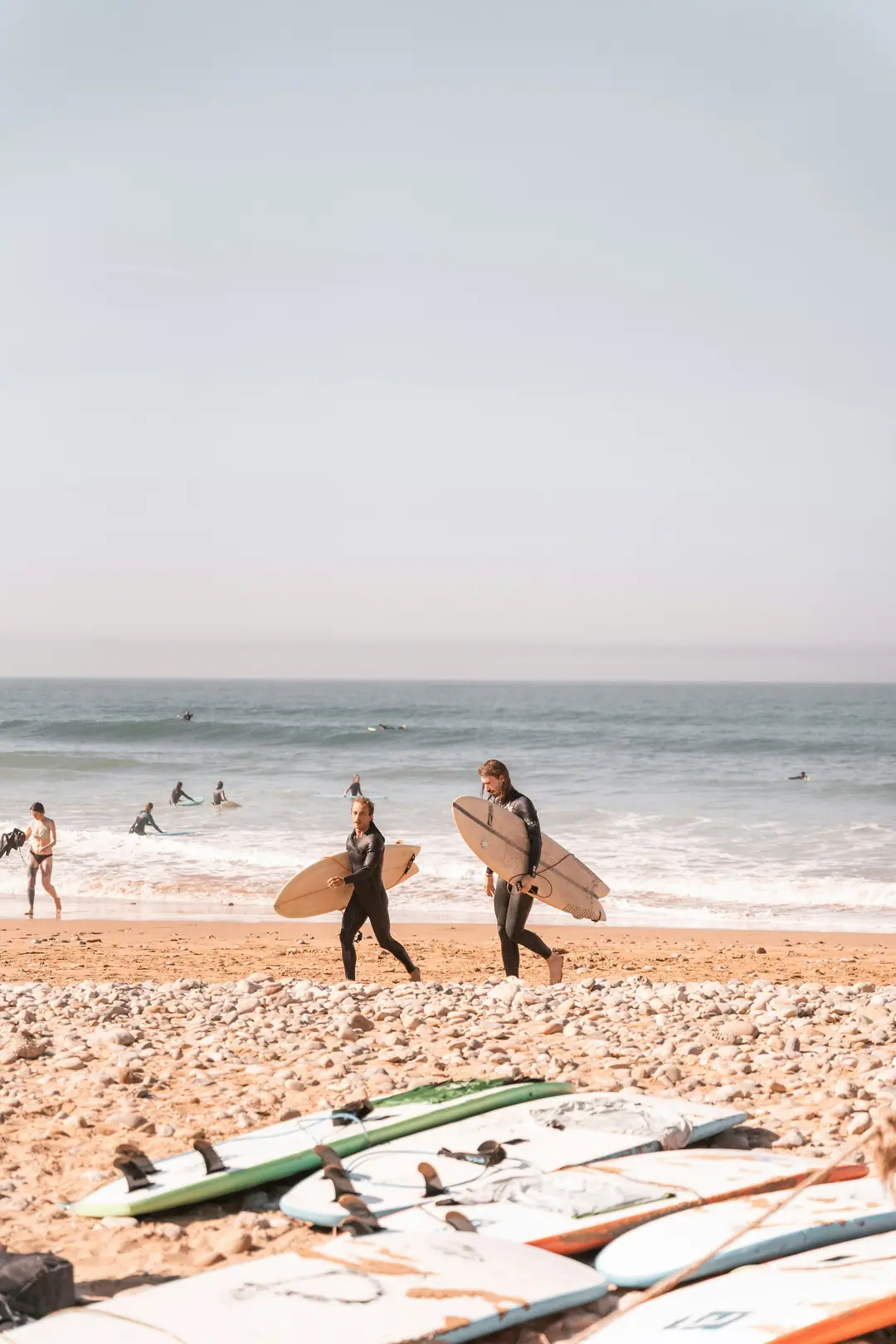
Learning to surf. Book the morning. In the bay the wave is slow and sandy-bottomed, which is ideal for a first lesson, but once the wind is up the face of the wave gets chopped to pieces and learning becomes much harder. Best waves are October to April; best learning conditions are any morning year-round.
Kitesurfing and windsurfing. The opposite. You want the afternoon, and you want May to September. The bay is exceptionally good for learning: side-shore wind means you drift along the beach rather than out to sea or into it, there is a kilometre of clear space, and the inside of the bay goes flat at low tide.
Beach days. Late September to early November, and March. In midsummer the beach is fine until about midday and increasingly unpleasant after that. Bring a windbreak if you are determined.
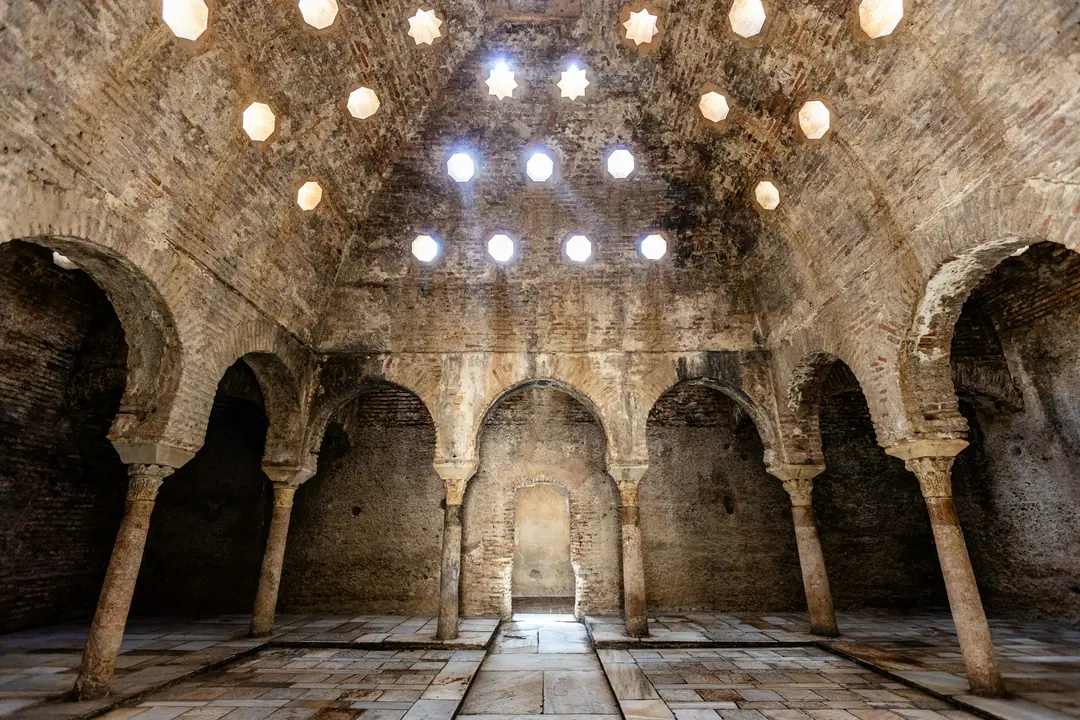
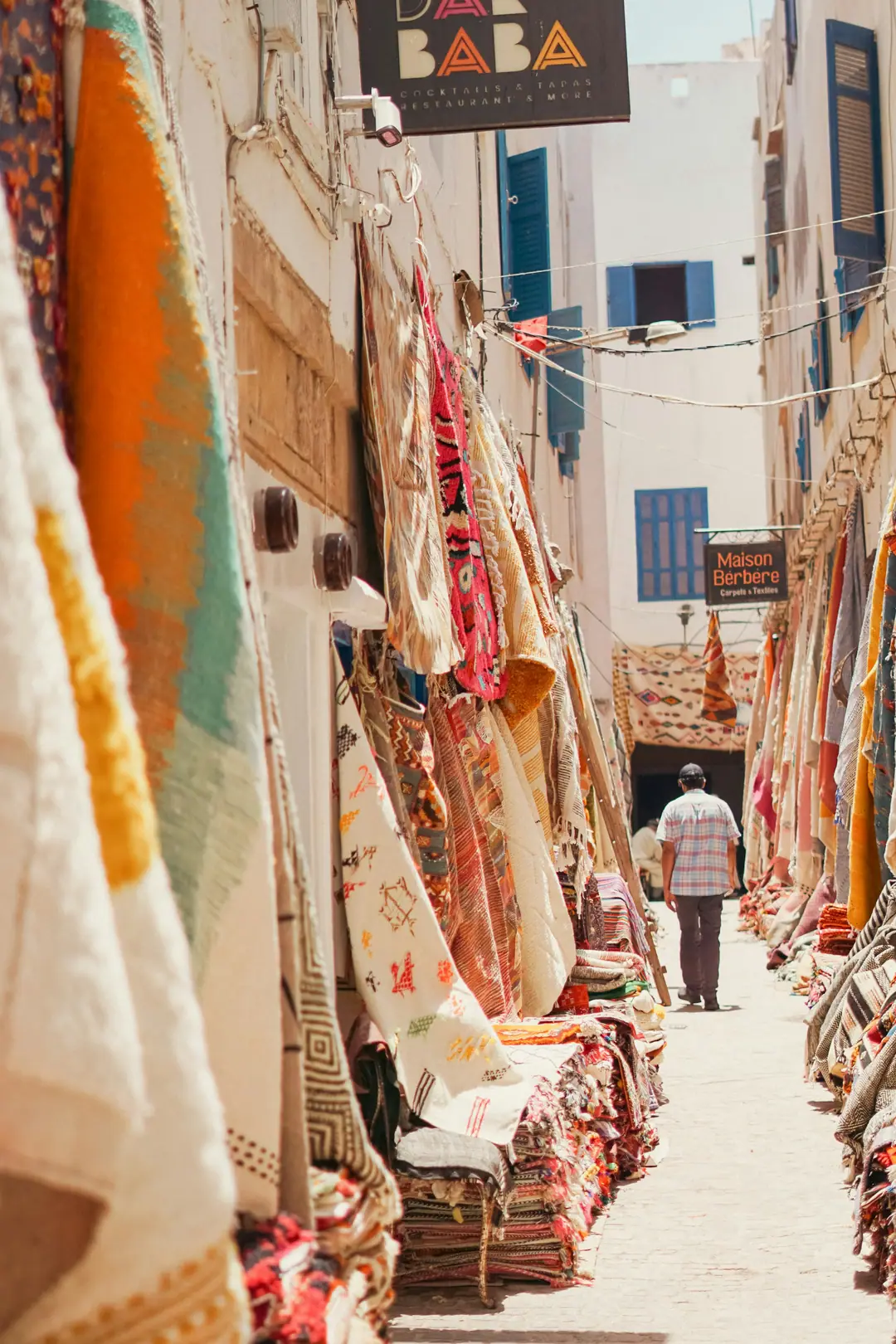
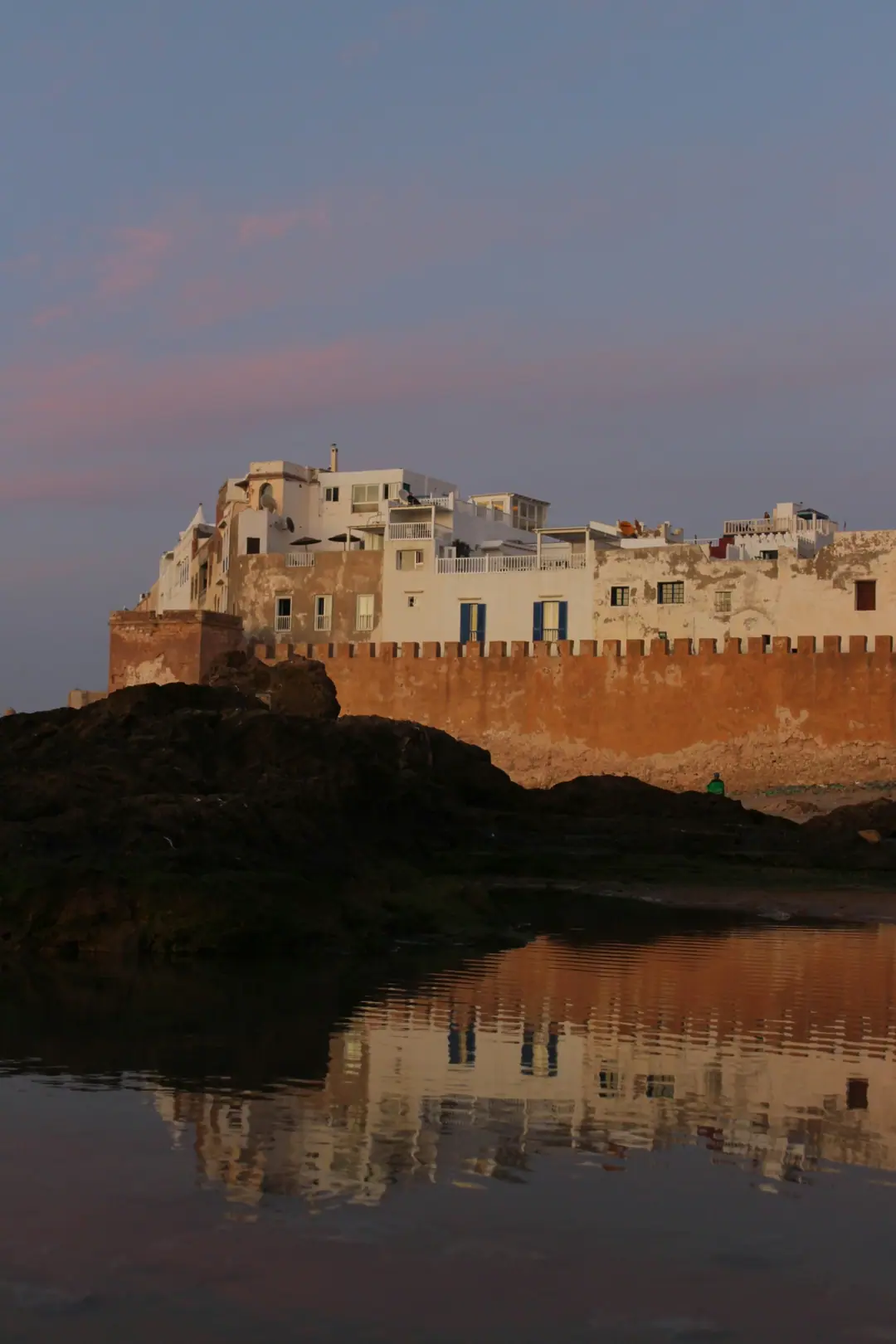
Medina, food, culture. Any time, any month. The walls block the wind, which is exactly why the old town feels like a different climate from the seafront. Windy afternoons are what hammams and cooking classes were invented for.
What to pack, whatever the month
A windbreaker, always. Sunglasses that wrap slightly, because fine sand at speed finds its way around normal lenses. Something to cover your neck. Sunscreen, because the wind hides how much sun you are getting and people burn here without noticing.
And a jumper. The Atlantic keeps summer days mild, but it also keeps evenings cool all year.
The one-sentence answer
If you want wind, come between May and August. If you want a beach, come in late September or October. If you want the medina, food and the best prices, come between November and February — and plan your outdoor hours for the morning whatever month you choose.
Common questions
Why is Essaouira so windy?
Essaouira sits where cool Atlantic air meets the hot Moroccan interior. That pressure difference drives the trade winds, the alizés, which funnel down the coast from the north. The effect strengthens through the day as the land heats, which is why mornings are calm and afternoons are not.
What is the windiest month in Essaouira?
Broadly May to August, with June and July typically the most consistent. Those are the peak months for kitesurfing and windsurfing, and the least comfortable for lying on the beach.
When is Essaouira not windy?
There is no windless season, but November to February is markedly calmer, and mornings are usually light year-round. If you want beach weather without sandblasting, aim for late September to early November.
Is Essaouira good for beginners to learn kitesurfing?
Yes, and unusually so. The wind is side-shore, which is the safest direction to learn in, the bay is wide with a long downwind run, and the inside goes flat at low tide. April to September gives the most reliable conditions.
Do I need a wetsuit in Essaouira?
Almost always. The Atlantic here stays roughly 17 to 20°C year-round because of the Canary Current, so a 3/2 wetsuit is standard even in August. Schools include one in the price of a lesson.