When to go
Essaouira has the mildest climate of anywhere on this coast and almost no real off-season. Summer highs sit in the mid-20s Celsius while Marrakech is frying at 45, which is exactly why Moroccan families come here in August. Winter days are 17 to 20°C and often sunny, with the occasional Atlantic front bringing rain for a day or two.
The trade-off is wind. The alizés blow hardest from April to September, which is heaven if you kite or windsurf and tiring if you wanted to lie on a beach towel. If your trip is about the medina, food and general wandering, aim for late September to November or March to April: warm, calmer, and far fewer people.
Two dates to plan around. The Gnaoua and World Music Festival takes over the town in June and accommodation triples in price and sells out months ahead — come for it deliberately or avoid it deliberately. Ramadan shifts earlier each year and changes daytime rhythms; restaurants adapt for visitors but the atmosphere is different, and evenings are wonderful.
Getting here
From Marrakech it is about two and a half to three hours. Supratours and CTM run comfortable coaches several times daily from near Marrakech train station to the Essaouira bus terminal just outside Bab Doukkala, and they cost a fraction of a private transfer. Book the return leg when you arrive, especially in summer.
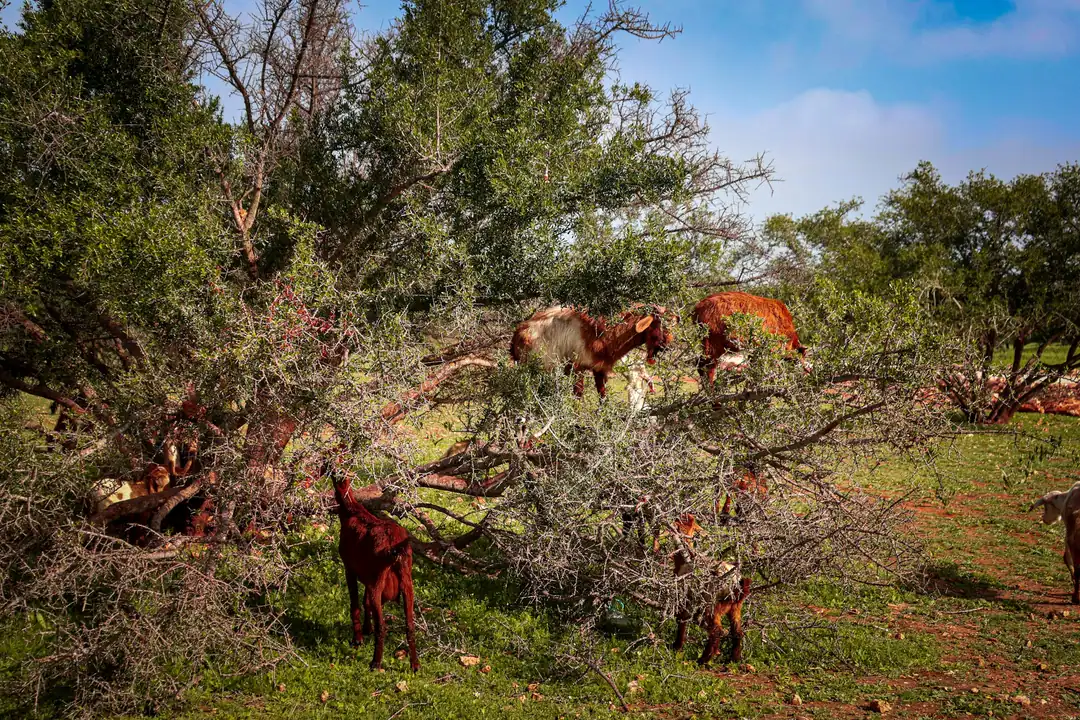
A private car or grand taxi does the same run faster and lets you stop in the argan forest. Agree the price before you get in, not on arrival. From Agadir it is roughly three hours up the coast.
Essaouira-Mogador airport is 15 minutes from town and takes a handful of European routes, with seasonal direct flights that come and go. Check current schedules before building a plan around it — the route map changes year to year.
How many days
Two full days covers the medina, the port, the ramparts and one activity. That is the standard stop for people touring Morocco, and it works.
Four days is the sweet spot. It gives you the town, a surf or kite session, a half day at Sidi Kaouki or Diabat, and one slow day doing nothing, which is the thing Essaouira is actually best at.
A week makes sense if you are learning to surf or kite, because progression needs consecutive days, or if you plan to use the town as a base for day trips inland.
Money and prices
The currency is the Moroccan dirham (MAD) and it is a closed currency — you cannot get it before you arrive, and you should spend or change it back before you leave. ATMs are plentiful around Place Moulay Hassan and Avenue Mohammed V and give the best rate.
Cards work in hotels, bigger restaurants and established shops. The souks, taxis, the fish grills and most small cafés are cash. Keep small notes: nobody has change for a 200 at 8am.
Tipping is normal and modest. Rounding up in a café, 10% for good restaurant service, a few dirhams for a porter. Souk prices are negotiable and market stall food prices are not — do not haggle over a bag of oranges.
The wind, honestly
People underestimate this and it shapes every day of your trip. Mornings are usually calm and bright. From late morning the wind builds, and by mid-afternoon in summer it is strong enough to move sand across the beach and make sitting still on it unpleasant.
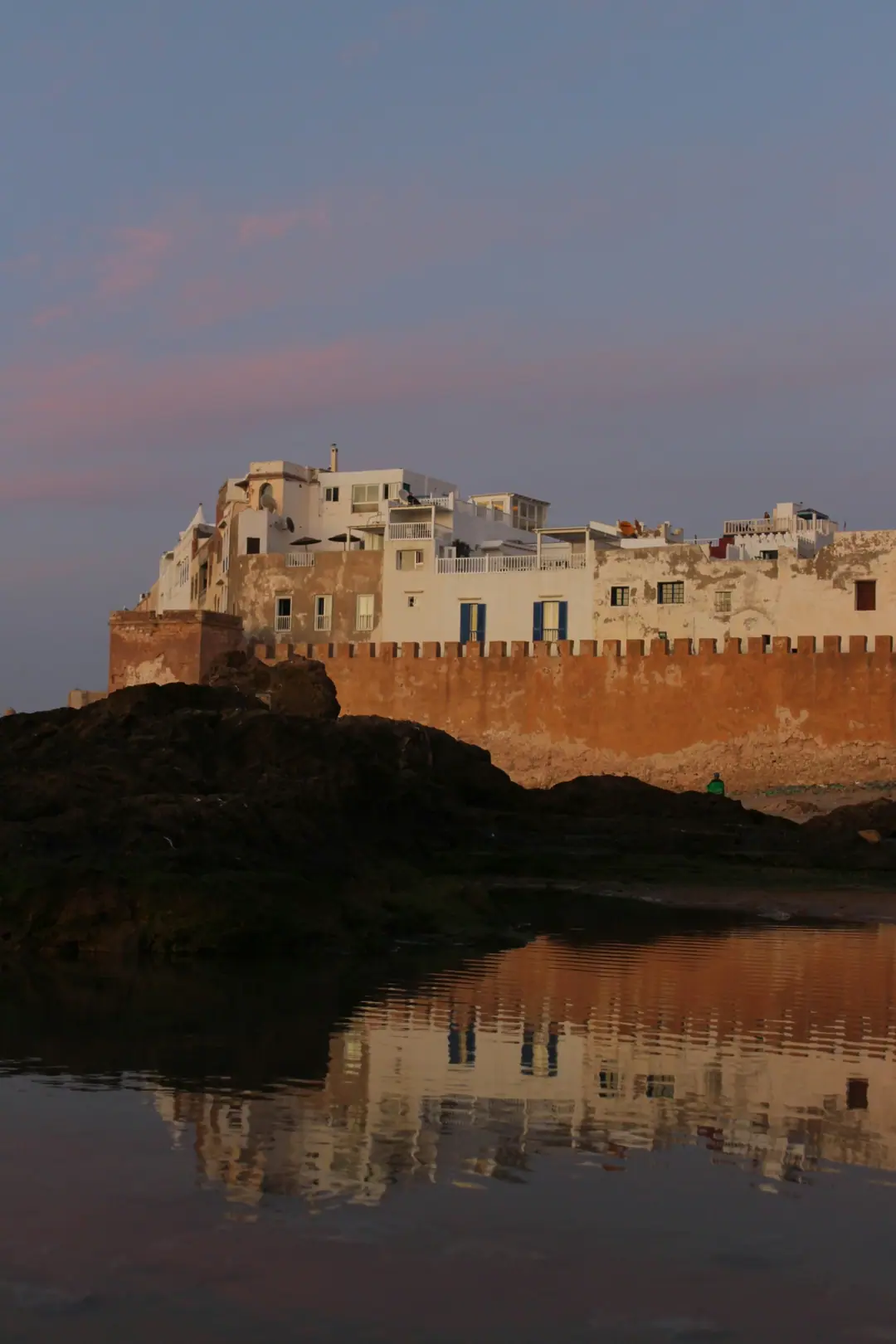
So structure your days accordingly: beach, surf and photography in the morning, medina, hammam, cooking class, lunch and shade in the afternoon. The medina walls block most of it, which is one reason the old town feels so different from the seafront.
Pack a windbreaker and something for your eyes even in summer. Locals are not wearing scarves for decoration.
Staying safe and comfortable
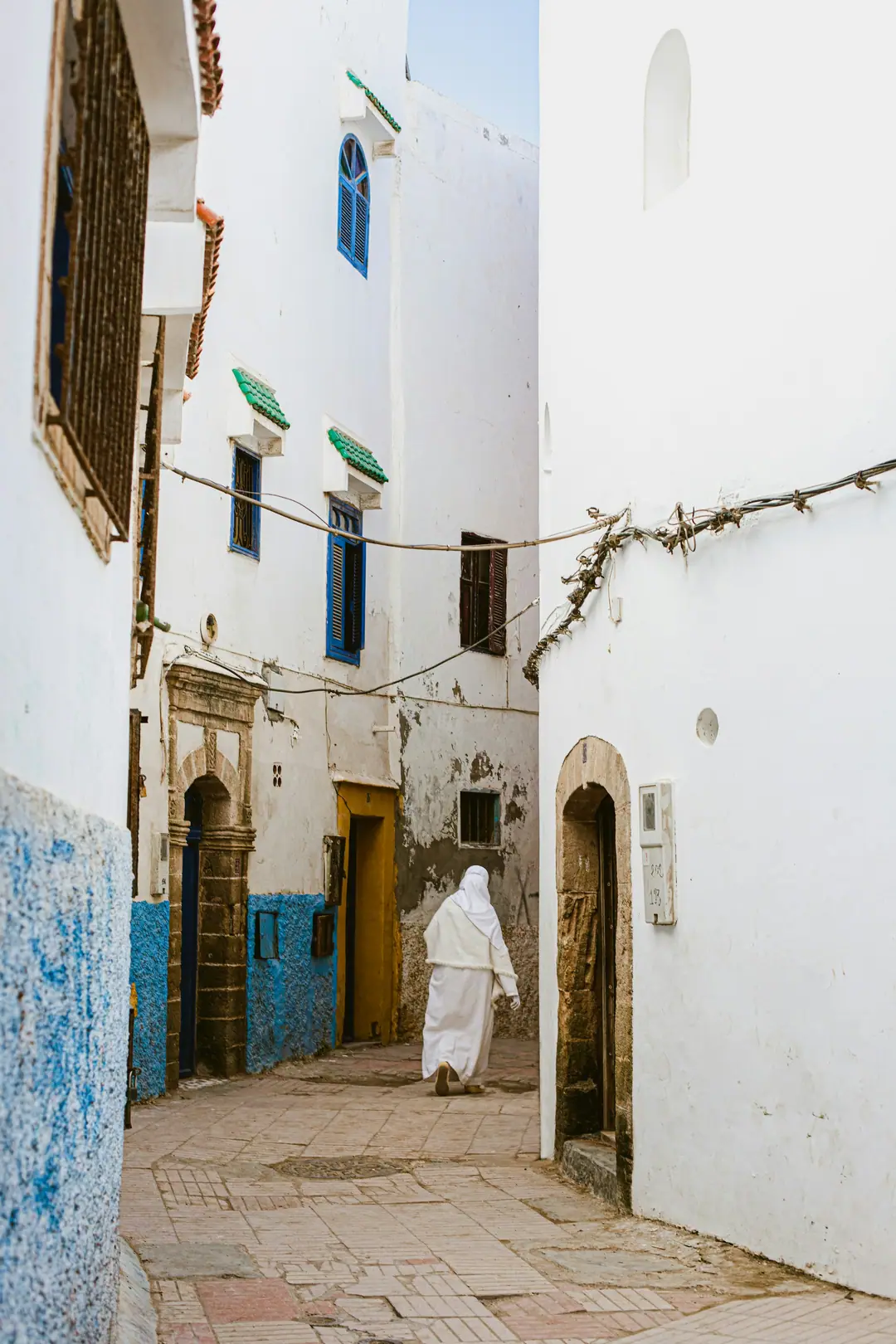
Essaouira is relaxed by Moroccan city standards, and the medina is small enough to be hard to get properly lost in. Normal urban caution is enough. The most common annoyance is unofficial guides and touts near the port and main square — a polite, firm "no thank you" and continuing to walk works.
The sea is an ocean, not a pool. There are currents, especially near the river mouth south of town and at the far ends of Sidi Kaouki. Swim where other people are swimming and in front of the surf schools.
Dress is relaxed here compared to inland cities, but it is still Morocco: beachwear on the beach, covered shoulders and knees in the souks is respectful and gets you treated better.